Mobile e-commerce in Algeria: order, track, pay
Social selling, delivery across the wilayas, cash on delivery: mobile e-commerce in Algeria is growing fast. The issues to follow at AMS 2027.
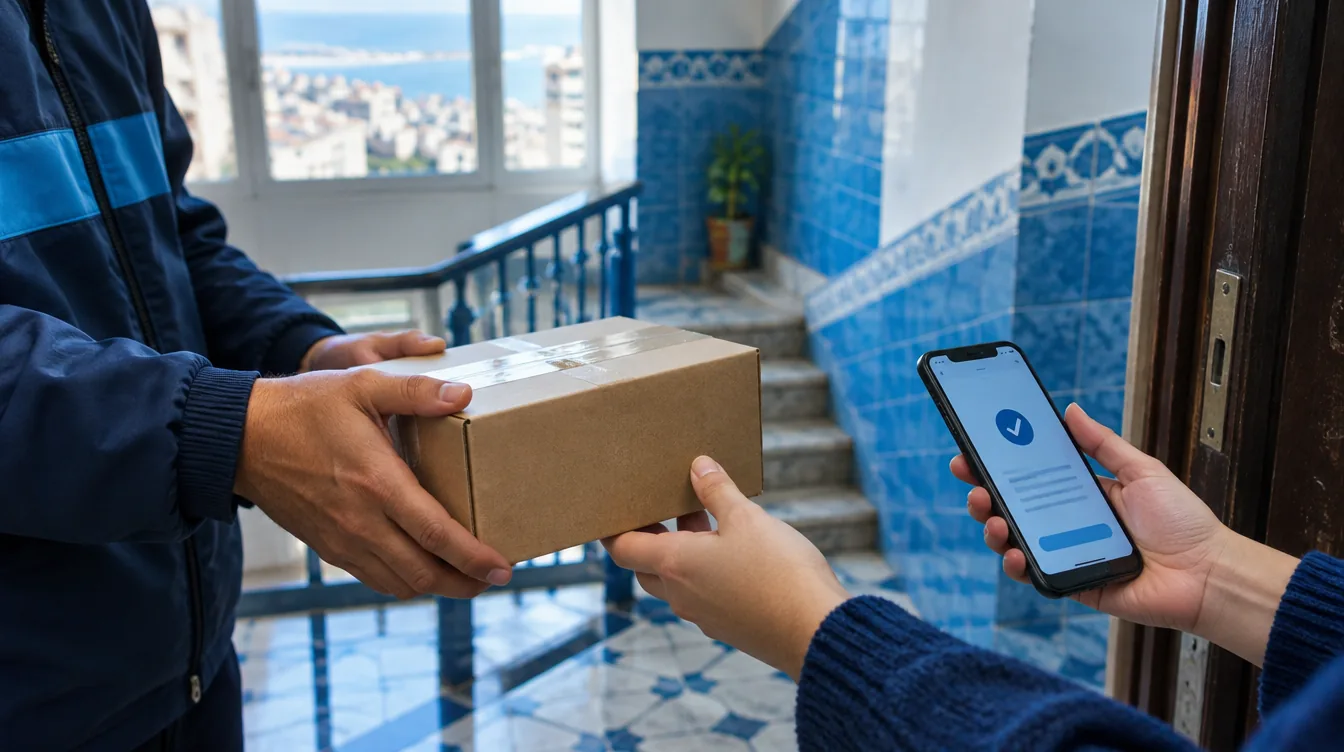
“New order received.” A few hours later: “Delivered to the customer.” These two notifications from the Algeria Mobile Summit campaign tell the story of mobile e-commerce in Algeria. Today, a large share of online purchases is chosen, ordered and tracked on a smartphone. Ahead of the summit, 27–30 January 2027 at SAFEX in Algiers, here is what to understand about this fast-moving market.
The smartphone as shop window and till
In Algeria, e-commerce was built on mobile. Many sellers started with a social media page before opening a website. Customers discover a product in a video, ask questions by message, order in a few exchanges and receive the parcel at home.
The model is accessible: a craftsperson, a young clothing brand or an accessories reseller can sell nationwide without a physical shop. It also has limits: loosely organised catalogues, prices shared by private message, patchy order tracking. Platforms and sales apps are working to professionalise that journey.
Delivery, the backbone of the sector
No reliable delivery, no online commerce. Delivery companies now cover many wilayas, with pick-up points and real-time tracking on the phone. Couriers themselves work from an app: route, address, confirmation, payment collection. Equipping field teams with smartphones saves time at every step, and customer relations also play out on screen. These tools are at the heart of SmartWork Village.
Payment, the last mile of mobile e-commerce
Cash on delivery remains widespread. It reassures buyers, who see the product before paying, but it is costly for sellers: cash to collect, refused parcels, returns to handle. Electronic payment is gaining ground, supported by CIB and Edahabia cards and banking apps. Paying online or paying the courier by phone reduces friction for everyone, as long as trust is there on both sides.
A legal framework to know
E-commerce in Algeria is governed by Law No. 18-05 of 10 May 2018 on electronic commerce. It sets out e-merchants' obligations, including registration in the trade register, and the information owed to consumers before and after an order. Complying with it is a mark of seriousness and a trust argument with customers.
What the summit brings to e-commerce
- At SmartWork Village, e-commerce, delivery and payment players present their solutions to companies and decision-makers.
- At Tech Village, logistics, payment and sales-app startups pitch to investors.
- At SmartLife Village, the public discovers new ways to shop from the phone.
B2B speed dating lets a seller meet a delivery provider, a payment solution and an app developer in a single day. Are you a platform, a courier or a fintech? Book your stand at SmartWork Village.
Questions to follow
How can refused parcels be reduced? How can social media sellers move to more structured tools? How can mobile payment become the default, even on delivery? And how can we measure the real weight of mobile e-commerce in Algeria's economy?
These questions will be at the heart of the discussions, Wednesday 27 to Saturday 30 January 2027, 10:00 to 18:00, at the Palais des Expositions SAFEX, Hall A. Entry is free with registration: book your badge and meet the people building tomorrow's commerce, one order at a time.